


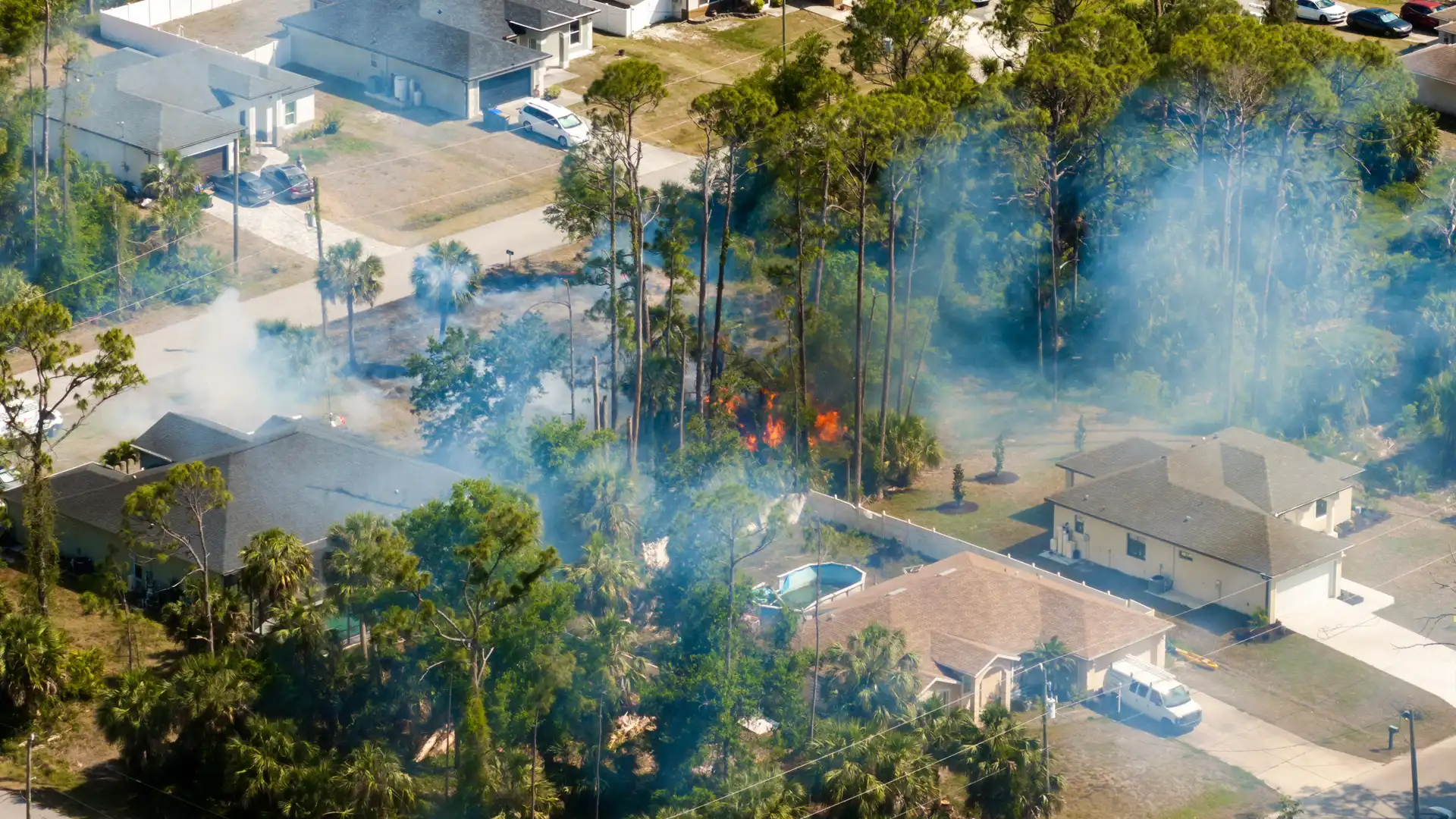
Can a Tree Survive a Lightning Strike? What Southwest Florida Homeowners Should Do Next
Afternoon thunderstorms are a familiar part of life in Southwest Florida, particularly during the warm, humid rainy season. Along with heavy downpours and strong winds, these storms frequently bring lightning. Florida's climate makes lightning a significant concern, and tall trees can be especially vulnerable because they are often among the highest points in a landscape.
After a tree struck by lightning is discovered on your property, you may wonder whether it needs to come down immediately. Can a tree survive a lightning strike? In many cases, the answer is yes. However, survival depends on the severity and location of the damage, the tree's condition before the strike, and whether the resulting structural and health problems can be managed safely.
What Happens When Lightning Strikes a Tree?
A lightning strike sends tremendous electrical energy through a tree. Moisture inside the tree can rapidly turn to steam, creating enough pressure to damage bark and wood. The electrical current can also injure living tissue responsible for transporting water through the tree.
The extent of lightning damage to trees varies considerably. One tree may sustain a visible wound and continue growing, while another may experience severe internal, root, or structural damage. Some trees decline within days or months, while others show symptoms much later.
For Southwest Florida homeowners, that uncertainty makes a qualified tree evaluation important, particularly when a damaged tree stands near a house, driveway, pool enclosure, business, or other frequently used area.
What Does a Tree Struck by Lightning Look Like?
Knowing what a tree struck by lightning looks like can help you recognize a potential problem after a severe Southwest Florida thunderstorm. Sometimes the evidence is dramatic. In other cases, the damage can be surprisingly difficult to spot. Possible warning signs include:
- A long vertical crack or split along the trunk
- Strips of missing, loose, or separated bark
- Splintered wood around the trunk or branches
- Broken or hanging limbs
- Wilted, yellowing, or dying foliage
- Sections of the canopy beginning to decline
- Dead or sunken areas developing along the trunk
- New sprouts emerging along the trunk or major limbs
Lightning injuries are not always visible from the exterior. Damage may occur within the trunk or root system, and symptoms can develop gradually.
Can a Tree Survive a Lightning Strike?
A lightning strike does not automatically mean a tree is dead. Trees can recover, and some may even lose much of their foliage before producing new growth. Complete post-strike recovery, however, can take years.
The question is not simply whether the tree remains alive. Homeowners also need to know whether it remains structurally sound. A living tree with extensive trunk, root, or branch damage could present a risk to nearby people and property.
That concern is especially relevant in Southwest Florida, where trees must continue facing intense rain, thunderstorms, tropical weather, and hurricane-force winds. Existing defects can become more consequential during future storms. An ISA Certified Arborist with Tree Risk Assessment Qualification (TRAQ) can evaluate tree defects and assess the likelihood and potential consequences of failure.
What Should You Do After a Lightning Strike?
First, remain indoors while thunderstorms are active. Do not approach the tree to inspect damage while thunder can still be heard. Once conditions are safe, inspect the area from a distance. Broken branches, hanging limbs, major trunk splits, or a tree leaning toward a structure may warrant emergency attention. Avoid standing or parking beneath visibly damaged limbs.
Next, arrange for an evaluation by a qualified tree care company. Some damage requires immediate action to address hazards, while other conditions should be monitored because the tree's long-term response may not be apparent right away.
Post-Strike Recovery With Terry's Tree Service
Can a tree survive a lightning strike? Terry’s Tree Service can help you find out. We evaluate and manage storm-damaged trees on residential and commercial properties in Southwest Florida. With ISA Certified Arborists on staff and ISA Tree Risk Assessment Qualified professionals, we can assess lightning damage to trees and recommend an appropriate course of action.
Contact Terry's Tree Service to schedule an evaluation or request emergency storm response when immediate hazards are present. We can also provide lightning protection services.