
How to Tell If a Tree Is Dead or Just Stressed
A tree with brown leaves, bare branches, or thinning foliage can be concerning, but these changes do not always mean the tree is dead. In Bradenton, Florida, trees contend with intense heat, heavy summer rainfall, tropical storms, periods of drought, pests, and other conditions that can temporarily affect their appearance. Knowing how to tell if a tree is dead versus stressed can help you determine the appropriate next steps.
Dead Tree Signs to Watch For
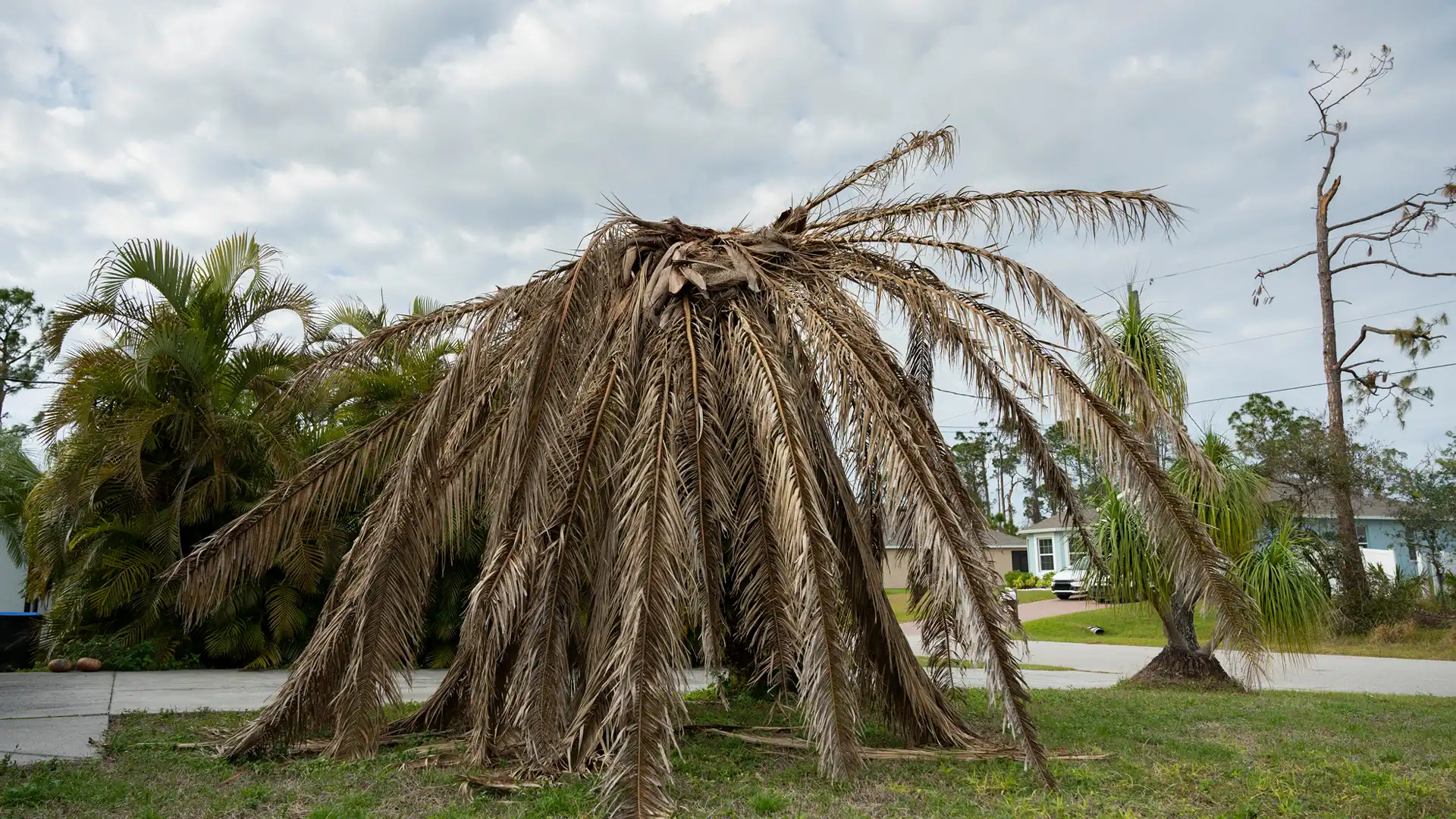
A dead tree can become a safety concern as its wood deteriorates and branches become more likely to break. Recognizing dead tree signs is particularly important when a tree stands near a Bradenton home, driveway, sidewalk, pool enclosure, or other structure. If you’re wondering how to tell if a tree is dead, look for these signs that may indicate a tree has died:
- No leaves or new growth during the tree's normal growing period
- Large sections of brittle, easily broken branches
- Peeling or missing bark accompanied by dry wood underneath
- Extensive decay or cavities in the trunk
- Significant fungal growth associated with decaying wood
- Dead branches throughout most or all of the canopy
One symptom alone does not necessarily confirm that a tree is dead. Some tree species naturally shed bark or lose foliage at certain times, while environmental stress can cause symptoms that resemble decline.
Check the Branches & Living Tissue
When homeowners ask, “Is my tree dead?”, the condition of its branches and tissue can reveal useful clues. Small twigs on a living tree are generally flexible, while dead twigs may snap easily and feel dry. A small area of damaged bark may also reveal whether living tissue remains underneath. However, repeatedly cutting or scraping bark can injure a tree, so extensive testing is best left to a qualified arborist.
Tree Stress Symptoms Can Look Like Decline
A stressed tree is still alive but is struggling with unfavorable conditions. Common tree stress symptoms include wilting, premature leaf drop, yellow or discolored foliage, sparse growth, scorched leaf edges, and isolated dead branches.
Bradenton's subtropical climate can create several sources of stress. Extended dry periods can leave trees short on moisture, while Florida's intense summer rains may saturate poorly drained soil. High winds from thunderstorms and tropical weather can damage limbs and roots. Construction, soil compaction, improper pruning, pests, and disease may create additional problems.
Trees can sometimes recover once the underlying source of stress is identified and addressed. Proper pruning, fertilization, pest or disease management, and other targeted tree care may support recovery depending on the cause and severity of the problem.
Dying Tree Signs Require a Closer Evaluation
The distinction between a stressed tree and a dying one is not always obvious. Dying tree signs can include progressive canopy thinning, widespread branch dieback, trunk decay, cracks, root damage, or a noticeable lean. The pattern and progression of symptoms matter. A tree that temporarily loses leaves after a stressful weather event may recover, while a tree experiencing worsening dieback season after season may have a more serious issue.
When Tree Removal May Be Necessary
Not every struggling tree needs to come down. When recovery remains possible, an appropriate plant health care plan may help address the underlying problem. However, tree removal may be recommended when a tree is dead, structurally compromised, or presents an unacceptable risk to nearby people or property.
Prompt evaluation is especially important before Florida's peak tropical storm season. Dead and weakened branches can become hazardous during strong winds, and severely compromised trees may have less ability to withstand severe weather.
Discover How to Tell If a Tree Is Dead
Determining how to tell if a tree is dead involves more than checking whether it has green leaves. The trunk, branches, roots, canopy, species, growing conditions, and recent weather can all help reveal what is happening.
Terry's Tree Service brings qualified expertise to residential and commercial properties throughout Bradenton, FL. We are fully licensed and insured, TCIA accredited, and have ISA Certified Arborists on staff. As a One Tree Planted Partner, we also plant a tree for every tree removed. Contact Terry's Tree Service to schedule an evaluation and learn whether targeted tree care or tree removal is the appropriate next step.