


How Deep Are Palm Tree Roots? What Florida Property Owners Should Know
As familiar a sight as palm trees are in Bradenton, Florida, many property owners are unfamiliar with what palm root systems look like. These trees, which commonly ornament driveways, surround swimming pools, and bring tropical charm to residential and commercial spaces, have complex root systems you should consider when planning your landscape. Whether you’re wondering whether palm tree roots cause damage or curious about palm tree root depth, the tree care experts at Terry’s Tree Service can answer your questions.
What You Need To Know About Palm Tree Roots
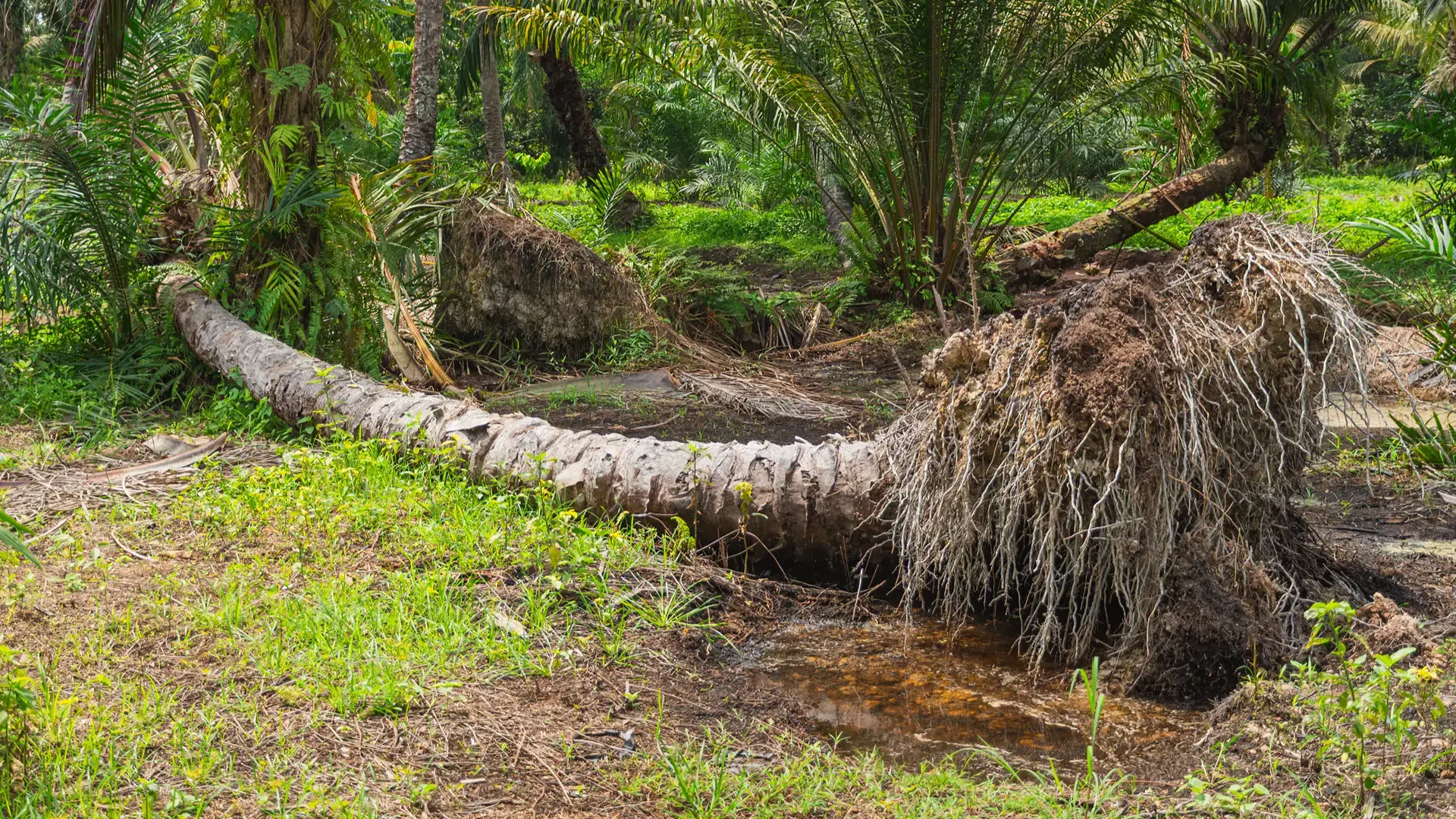
Unlike most broadleaf trees, palm trees don't develop a dominant taproot. Instead, palm trees have a dense, shallow root system that spreads outward from the trunk base, sending thin roots throughout the surrounding soil. This root system stays in the upper soil layers and generally extends 2 to 3 feet deep, with its width exceeding the tree’s canopy, though roots can grow deeper under certain conditions.
Factors That Affect Palm Tree Root Depth
While you may be curious about how deep palm tree roots grow, there isn’t a standard depth for every palm. In fact, root growth depends on factors such as:
- Species – Most common palm trees, including queen palms and windmill palms, have root systems that stay within the top 2 feet of soil. Larger species, such as date palms and royal palms, can push their roots 4 to 5 feet deep in sandy, loose soil.
- Soil conditions – Nutrient-dense, well-aerated soil supports healthy growth and lets palm roots spread horizontally.
- Climate and moisture – Palm trees need moisture to thrive, and hot, humid climates support continuous growth over colder zones. In addition, mulch or soil around the tree base can retain moisture and promote stronger root growth.
- The amount of space around the tree – Physical barriers, paving, or compacted soil can restrict root expansion and deprive roots of oxygen.
However, even with these factors in mind, root depth rarely exceeds 6 feet, even for mature palm trees.
Why Palm Tree Root Growth Matters for Your Florida Property
If you are planning a landscaping project, it’s especially important to understand where your palm tree roots are growing. Roots can interfere with hardscaping, irrigation systems, and nearby plants. Here’s a closer look at some of the considerations you’ll want to keep in mind:
Driveways, Walkways, and Pool Areas
Palm tree roots generally conform around thick, reinforced hardscaping, although they may damage thin surfaces or loose pavers as the root system expands. This can cause driveways, sidewalks, or pool area surfaces to crack and lift.
Underground Irrigation Systems & Pipes
Palm tree roots grow toward moisture, making leaking pipes or irrigation lines, as well as poorly drained areas of your landscape, particularly vulnerable to root intrusion. While these roots are unlikely to crush pipes, they can potentially wrap around lines and clog open drainage systems.
Foundations
Since palm tree roots grow outward, they generally don’t affect foundations. However, planting a palm near a house or other structure can limit future landscaping options and complicate maintenance.
Other Plants
Palms can also compete with nearby plants, soaking up water, nutrients and growing space with their roots. Watch for this if you want to plant a garden, flower bed, or shrubs around an existing palm.
Turn to Terry’s Tree Service For Support With Your Palm Trees
Want to learn more about what to consider for your palm tree’s root system? Whether you’re planting a new palm or your tree needs dedicated care, our Certified Arborists are just a call away. Contact the team at Terry’s Tree Service today to get started with top-notch tree care in Bradenton, FL, or a nearby community.